

当院は不特定多数の大人数が 終日出入りすることのない、完全予約制の治療院です。
手洗い、アルコール消毒を徹底しております。また、院内の消毒も常時心がけていますが、さらに回数を増やして徹底しております。
当院では、患者さまに安心して施術を受けていただけるように対策を徹底して行っております。
こんなお悩みはありませんか?
もしあなたが
- 三島・沼津のどこの病院に行っても原因不明と言われてしまう
- 不調に苦しむことなく仕事や家事を頑張りたい
- 3件以上の整体や接骨院に行ったが改善しない
- 薬を飲み続けることにも抵抗がある
- 治療直後は良くなっても、すぐに痛みが再発してしまう
- 自分の症状はどんな治療で解決できるのか分からない
- この不調と一生付き合って行くのかと思うと不安になる
といったような不安をお持ちなら
施術経験16年でのべ5万人以上の臨床実績を持つ当院がお役に立てます。
あなたと同じような悩みを抱えていた患者さんも今では不調のない生活を取り戻し、やりたいことに存分にエネルギーを注げるようになっているからです。
次はあなたの番です。
院長プロフィール
院長プロフィール
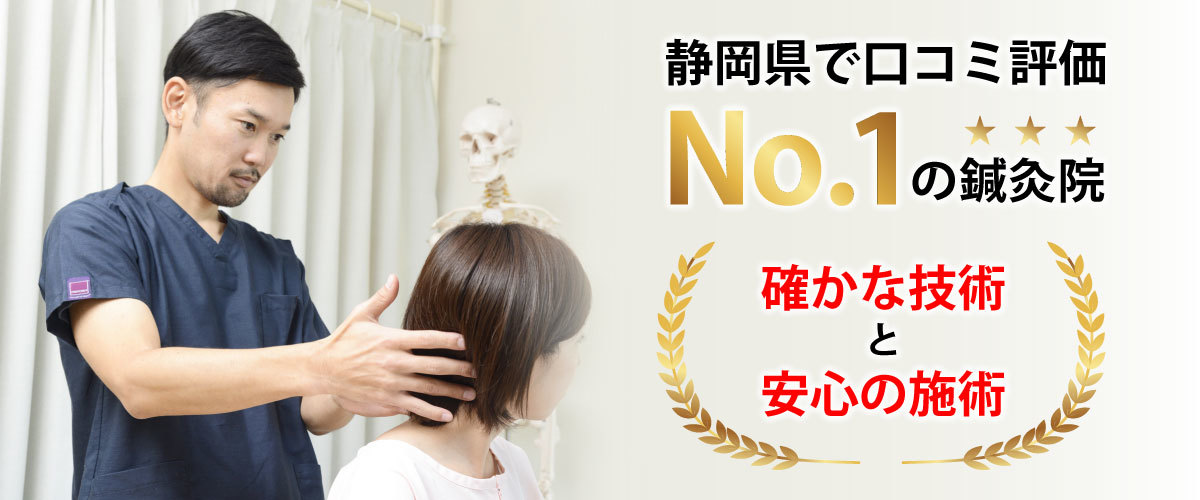
渡辺拓朗 1977年生まれ 埼玉県さいたま市出身。幼少期よりスポーツに打ち込み繰り返すケガを鍼灸治療により改善した経験をきっかけに自身も鍼灸の治療家を目指すことを決意する。国家資格取得後、県内の整形外科クリニック、鍼灸治療院などで経験を積み2006年に独立し三島渡辺治療院を開院。延べ16年間で5万人以上の施術実績を積む。独立後も医師からの依頼を受け、県内総合病院リハビリ室での非常勤勤務、医療従事者を対象にした疾病予防指導など幅広く活動している。今では、大手口コミサイトで静岡県No.1の評価を受ける鍼灸院の院長として支持を集めている。
三島市にお住まいのあなたへ
身体の痛みや不調は当院にお任せください
はじめまして。「三島渡辺治療院」の渡辺拓朗と申します。
数多く存在する治療院ホームページの中から当院のホームページをご覧いただき、ありがとうございます。
当院のホームページをご覧いただいているということは何かしら身体の不調にお困りのことと思います。
治療を決意したもののちょっと周りをを見渡せば三島市、沼津市にも整形外科・接骨院・整骨院・鍼灸院・カイロプラクティック・整体院・…
いろいろな治療院やサロンがあふれかえっています。
「わたしのこの症状はどこに行けば楽になるの?」
そんなふうに迷ってしまいますよね。
治療院えらびで一番重要なことは、あなたがどういう目的で治療を受けることを望んでいるのかを明確にすることです。
「とにかく体を揉みほぐしてほしい」という方はクイックマッサージに行くといいかもしれません。
「この痛みを一時でもいいから緩和して!」という方は病院にご相談させることをおすすめします。
あなたが「症状を改善するだけでなく長いあいだ健康でいたい」 と考えているのであれば一度、私たちにご相談ください。
当院では、『ご縁のあった方がいつも健康でやりたいことに存分にのぞめる』ようサポートすることを理念としています。
身体の不調を訴える人が減らないのはなぜ?
ここ三島市内にも数多くの鍼灸院や整骨院、整体院があります。三島市以外にも全国的に治療院の数は急増していて、厚生労働省の統計によると、全国では13万院以上が存在し、これはコンビニエンスストアの店舗数のおよそ2倍の数になります。
あなたは不思議に感じませんか?
全国にこれだけの治療院が存在するのに、身体の不調を訴える人が一向に減らないって不思議だと思いませんか?
三島に治療院を構えて5年なりますが、肩こりや腰痛をはじめ、頭痛や自律神経失調症といった不調を訴える人は減るどころかますます増えているようにも感じます。
ではなぜこれほどまで不調を訴える人が減らないのでしょうか?
治療院が増えても、不調を訴える人が減らないのはズバリ「根本的な原因に対する治療ができていないから」なのです。
現れている症状に対して局所的な施術を繰り返しても、その場だけでの変化で症状が改善していくことはありません。
それは現れている症状はあくまで結果であり、原因ではないからです。
「あなたの」痛みの原因については来院された際にしっかりお伝えしますが、当院は不調の『真の原因』を追究し、根本改善を本気で目指している鍼灸整体院です。
その場しのぎの局所治療は行いません
当院では
・不調の原因となる根本からの治癒
・体質の改善
・健康の維持、増進
を目指して施術を行っています。
あなたが、もし
・強い刺激じゃないと満足しないから強く押して!
・肩こりが苦しいから、肩だけ重点的にもんでほしい
・ボキボキされるのとすっきりするからやって
・一回の施術で劇的に体は変化するんでしょ?
このようなことを求めているとしたら当院の提供する施術ではご満足いただけないと思いますのでご来院はご遠慮いただいた方が良いかもしれません。。
当院では慰安や局所治療ではなく、あくまで医療の一環として治療を提供しています。
レントゲンやMRI検査で心地よくなることはありません、飲めば飲むほど健康になる薬もありませんよね。
このように、医療と慰安はまったく異なるものと考えています、当院ではあなたが健康になるために必要なことを医学的根拠を元に提供しています。
その場しのぎ的なことではなく、症状の根本から改善することを目的に施術を行っていくので症状の改善までには時間がかかる場合があることもご理解ください。
当院の施術で痛みや体の不調が根本的に改善する理由
症状を改善するだけでなく、再発予防や健康維持のためには、根本的な原因に目を向けなければなりません。
当院では「筋肉のコリ」「生活習慣」「ストレス」の3つが痛みや体の不調の根本的な原因だと考えております。
特に「筋肉のコリ」は血行不良・リンパ・関節可動域の減少などを引き起こし、痛みや不調の原因になるばかりではなく治癒力や免疫力の低下にも繋がってしまいます。
多くの治療院では問診や検査なども簡単に済ませ痛みの局所のみの施術で症状の改善を図ろうとしますが、当院では「真の原因」を探るために徹底した問診と検査によって原因の特定をするため、「あなたの体になぜ不調が起きているのか」イメージしやすくなります。
問診検査の結果を元に原因となりうるポイントの改善を目的とした施術を計画的に行いますので、他の治療院にはない高い改善率を維持することができています。
交通事故や突発的な外傷を除いて痛みや体の不調は、長い期間の積み重ねによって起こっている可能性が高く、当院の患者さんでも長年悩まされ続けていた方もいましたが、そうなると1.2回の施術で良くなるものではありません。
ですが、痛みや体の不調の改善を諦めていた患者さんも今では仕事や趣味を楽しめる生活をされています。
「筋肉のコリ」「生活習慣」「ストレス」の問題が解決されれば、痛みや体の不調を改善することができ、予防することも可能です。
次はあなたが良くなる番です。
これまで多くの患者さんと向き合ってきた私に、ぜひ一度ご相談ください。
喜びの声をいただいています
★Wさん・会社経営・68歳★
あきらめていた山登りを再開できました
今まで、三島や沼津の病院や整体などいろいろとまわりましたが症状がなくなることはありませんでした。
渡辺先生は分かりやすく痛みの原因を説明してくれて、症状改善の為に必要な治療、通院ペースなどを伝えてくれたので安心してまかせることができました。
通い始めてから週一回のペースで5回か6回治療をしたあたりでほとんど痛みを感じることもなくなりました。先日にはしばらく行くことが出来なかった山登りにも行くことができました。
痛みが楽になったことも嬉しいのですが、落ち込んでいた気分も晴れやかになり、また自信を持つことができるようになりました。これからも長くメンテナンスに通わせていただこうと思います。
三島市で当院が選ばれる
5つの理由
理由1体の本質を探究し、症状を改善へと導きます
あなたが今まで通われた病院や治療院では名ばかりの「体質改善」や「全身調整」などで治療直後はいいような気がするけどすぐに元の状態に・・なんてことはありませんでしたか?
当院では、その場しのぎの施術ではなく体の本質を探究し症状の起こる真の原因を追究してあなたの症状を改善に導き、さらに再発しにくい状態を目指します。その為、初回の施術時には問診・検査等にお時間をいただいております。
理由2臨床経験豊富な施術家が施術します
当院の施術家は全員国家資格保持者です。院長は16年間の臨床で延べ5万人以上の施術経験を持ちさまざまなケースにも対応可能です。また病院勤務の経験もあり、安全管理、衛生面も徹底しております。
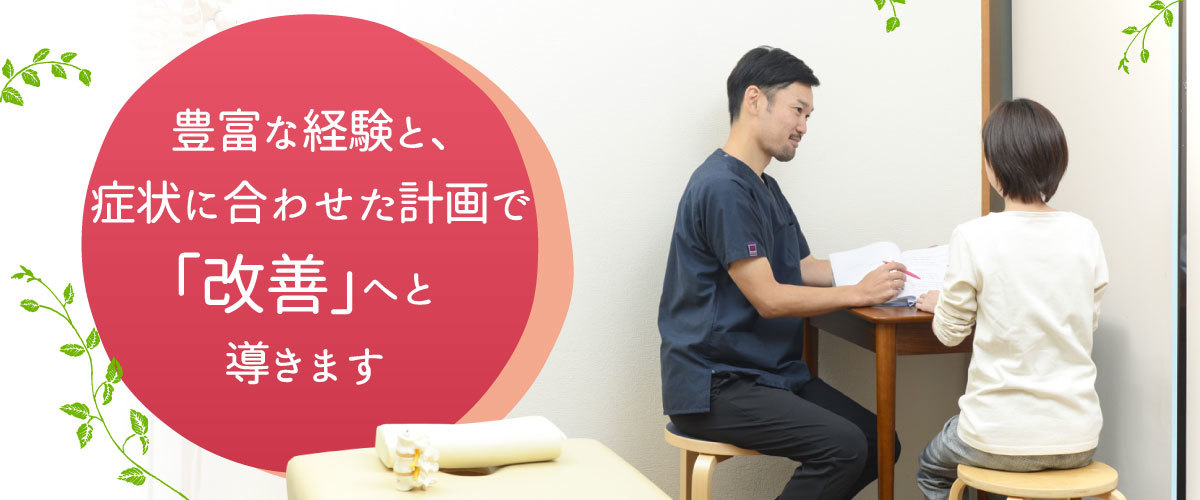
理由3状態に合わせて最適な治療計画をご提案します
他の一般的な治療院では症状の原因や解決方法などを明確にせず、場当たり的な局所治療のケースが多いようですが、当院では、今お悩みである症状の原因や解決方法などを分かりやすく説明いたします。
また患者さんの目標に合わせた来院の頻度や施術に必要な期間などの治療計画を明確に示しております。
理由4静岡県東部伊豆で唯一、新発想の鍼技術が受けられます
困っている患者さんを一人でも多く救うため技術力の追及に終わりはありません。毎月、時には毎週当院のメインとなる「整動鍼®」の勉強会や研究会に参加し常に自己研鑽を怠りません。
整動鍼®とは・・・動きをツボで整えるという新発想で、運動器疾患のみならず自律神経症状、アレルギー疾患、内臓疾患に至るまで幅広く対応できる技術です。その再現性の高さから医師や研究者の間で話題となり現在、病院と共同研究が行われています。最近ではスペインなどを始め海外にも広まり世界中から注目を集める鍼灸の未来を変えていく技術です。現在(2018年)、整動鍼®を受けられる鍼灸院は静岡県内で3院だけです。(2院は浜松)
理由5完全予約制
一人一人の患者さんと真剣に向き合うことを信念に施術を行うため当院では完全予約制とさせていただいております。
あなた専用の時間をしっかり確保しているので待ち時間がなく、時間も有効に使えると喜ばれています。
当サイト限定 特別なご提案
通常初回料金
7300円
初診料
無 料
6300円
まず当院の施術であなたの痛みが改善可能かどうかを判断させていただきたいので、 当サイトからのご予約に限り通常1000円いただいている施術検査料を無料にいたします。
ただし、既存の患者様の予約枠確保のため初診の患者さまは一日2名までとさせていただいております。あらかじめご了承ください。
施術の流れ
初回
①問診票に記入
現在の状態を把握するために必要な情報をご記入していただきます。分かる範囲で構いませんのでできるだけ詳細にお書きください。
②問診
ご記入いただいた問診票をもとに問診をいたします。症状の根本改善を目的に施術を進めるためにあなたからの詳細な情報が重要になります。どこが?いつから?どんな状況で?などゆっくりと丁寧に十分な時間をかけて症状の詳細をお尋ねいたします。
③検査
主に痛み・不具合のある部位やどんな動きができないのかなどを診ていきますが、症状のある所だけを診るのではなく体全体を観察していきます。根本的な原因にアプローチする為には局所に限らず身体全体を診る必要があります。
④治療方針の説明
問診・検査によって決定した施術方針を説明します。鍼治療が初めての方にも安心して受けていただけるよう鍼治療についてのご説明もいたします。ご質問などありましたらお気軽にお尋ねください。
⑤施術
問診・検査によって得られた情報を元に施術に入ります。反応を確認しながらの施術になりますが、特に初回の施術は検査を兼ねた施術にもなりますので、反応を細かく診ながら進めていきます。
⑥今後の施術計画・次回予約
初回の施術後、身体の反応・病歴・症状の強さなどを過去のデータと照合して、あなたにとってベストな通院のペースや期間などを計画しお伝えいたします。
2回目
①計画に沿って施術を進めていきます
当院の行う「整動鍼」は鍼数は少ないほど良いと考えているため1、2本の鍼で施術を終えることもあります。むしろ鍼数が増えるほど施術の効果は減弱します、精度高く少ない刺激で大きな効果を得られます。その日に得られる十分な効果を引き出したら施術は終了になります。
よくいただくご質問
アクセス
当院までのアクセス
当サイト限定 特別なご提案
通常初回料金
7300円
初診料
無 料
6300円
まず当院の施術であなたの痛みが改善可能かどうかを判断させていただきたいので、 当サイトからのご予約に限り通常1000円いただいている施術検査料を無料にいたします。
ただし、既存の患者様の予約枠確保のため初診の患者さまは一日2名までとさせていただいております。あらかじめご了承ください。
追伸
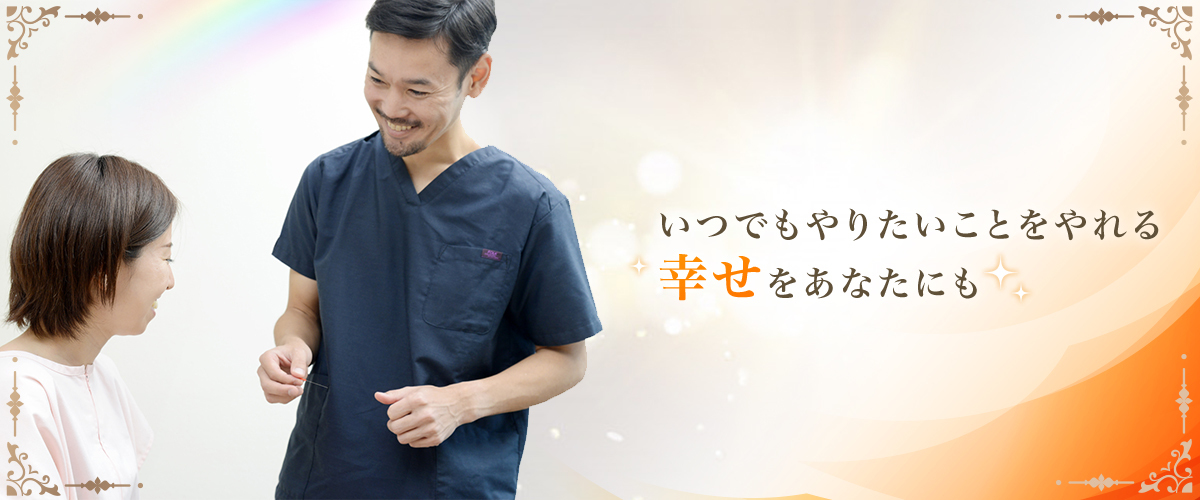
いつでもやりたいことをやれる幸せをあなたにも
今ある症状が良くなったら何がしたいですか?
・スポーツに思い切り打ち込みたい
・友人や家族と旅行を楽しみたい
・家事や育児、仕事などバリバリとこなしたい
当院ではご縁のあった方のそんな声を大切に考えています。
あなたが身体の痛みや不調に悩み苦しむことなく、いきいきとあなたらしい人生を送ることのお手伝いができましたら幸いです。
開院以来さまざまな症状を訴える患者さまがご来院され冷えを解消され元気になっていきました。
このサイトをお読みになったことがきっかけで来院を決意し、当院の施術を受けたことによりあなたの悩みを少しでも解決することができたら幸いです。あなたが健康で病気知らずの身体作りをすることができるよう当院が全力でサポートいたします。
最後までお読みいただきありがとうございました。
あなたからのご連絡をスタッフ一同、心よりお待ちしております。
当サイト限定 特別なご提案
通常初回料金
7300円
初診料
無 料
6300円
まず当院の施術であなたの痛みが改善可能かどうかを判断させていただきたいので、 当サイトからのご予約に限り通常1000円いただいている施術検査料を無料にいたします。
ただし、既存の患者様の予約枠確保のため初診の患者さまは一日2名までとさせていただいております。あらかじめご了承ください。
